European Parliament plans Ottawa office to strengthen exchanges with Canada
The decision announces a permanent parliamentary presence as Carney prepares to visit Strasbourg. It does not amount to EU membership.
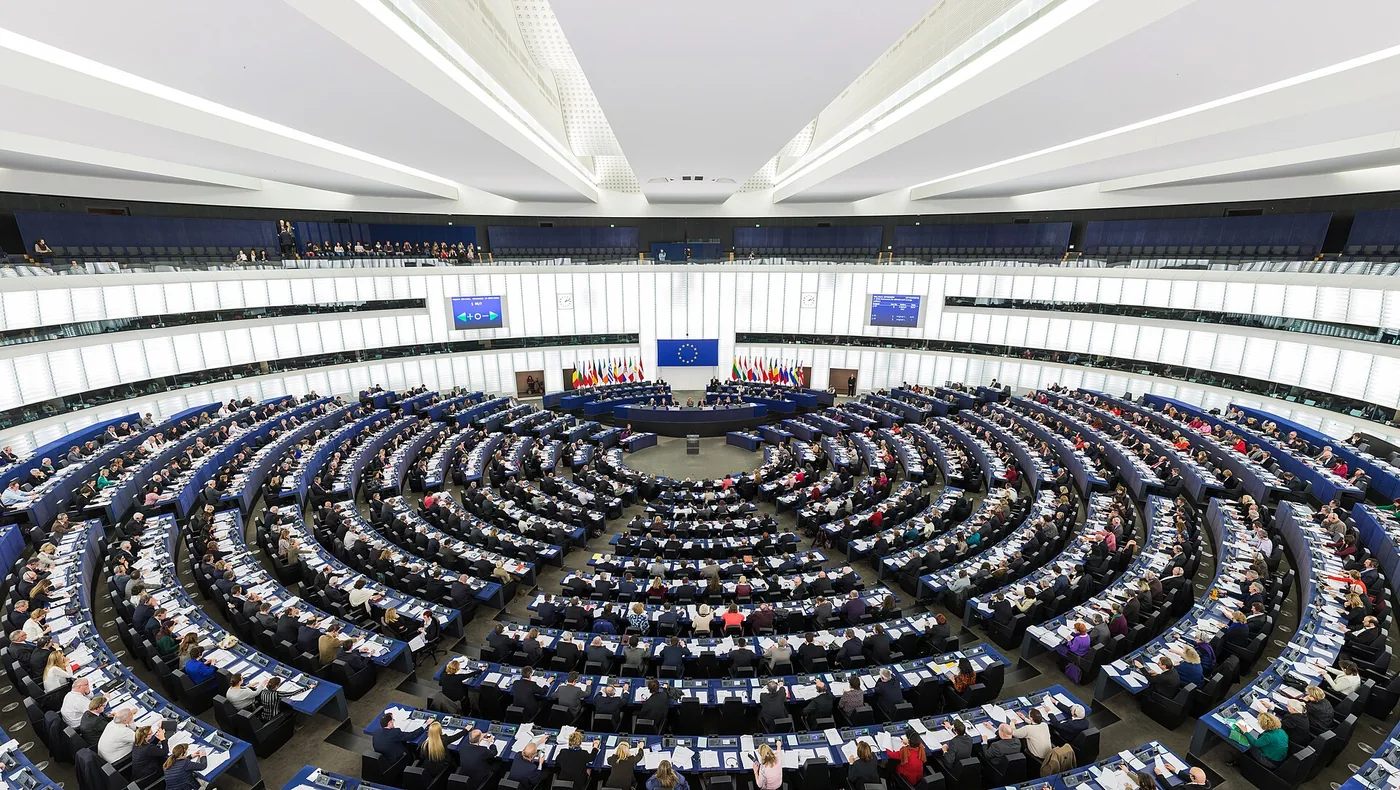
Evening update: the decision to open a European Parliament office in Ottawa and an interview with Stéphane Dion are added. The announced visit still lies ahead.
The European Parliament has announced plans to open an office in Ottawa to strengthen relations with Canadian lawmakers. Its Bureau’s decision provides for an antenna office whose regional remit will extend to the Arctic. The September 14 release describes this presence as a way to support exchanges and raise awareness of the institution’s work. [4]
What the office is intended to change
The Canadian Press explains that the office will facilitate contacts with MPs and senators. Visits already took place with support from diplomatic missions on both sides. The announcement therefore seeks to strengthen existing parliamentary ties; it does not mean that all cooperation begins today. [5]
The decision precedes Mark Carney’s address to the European Parliament, scheduled in Strasbourg. The Canadian itinerary announces a visit to Strasbourg and Liverpool from September 15 to 17. Those meetings still lie ahead: their results cannot be inferred from the planned office. [3]
Cooperation does not mean membership
In Toronto on Sunday, Carney ruled out Canadian membership in the European Union and advocated a distinct alliance instead. The Canadian Press reports that distinction. A parliamentary liaison office, a trade agreement and membership are different undertakings; Monday’s announcement does not make them equivalent. [1]
Brussels Signal notes that the “associate” status discussed in the debate is not a formal EU membership category. Political terminology therefore does not establish mobility rights, obligations or a procedure accepted by the Europeans. [2]
The limits of diversification
In an iPolitics interview published Monday, Stéphane Dion advocates diversification toward Europe while emphasizing geography’s role in trade with the United States. The former special envoy argues that closer ties can reduce Canadian dependence without making Europe a realistic replacement for its American neighbour. [6]
Carney’s speech is the next political milestone. Assessing its results will require distinguishing specific commitments from diplomatic objectives. A schedule of meetings identifies what needs to be followed; it does not yet demonstrate the economic effects of closer ties. [3]
Perspectives compared
The release defines a tool for parliamentary dialogue with a remit that includes the Arctic. [4]
The report distinguishes association language from an official membership category. [2]
The interview with Stéphane Dion examines European opportunities and geographical constraints. [6]
About the media sources
Outlet-wide ratings from Ground News, checked September 14, 2026. They do not rate this article. Bias and factuality are separate criteria; a centre rating does not guarantee accuracy. Bias labels use Ground News’s U.S. political frame of reference.
| Outlet | Bias | Factuality |
|---|---|---|
| Brussels Signal | Right | High |
| iPolitics | Lean Left | Very High |
Official documents and sources without a verified rating are not rated here. Syndicated copies do not constitute independent confirmations.
View the Ground News coverage ↗Sources and documents
- [1] La Presse canadienne / CityNews ↗September 13, 2026 · statement in Toronto
- [2] Brussels Signal ↗Checked September 14, 2026 · September 13 remarks
- [3] Cabinet du premier ministre / CNW ↗September 12, 2026 · visit announcement
- [4] European Parliament ↗September 14, 2026 · Bureau decision, release 20260914IPR47510
- [5] The Canadian Press / iNFOnews ↗September 14, 2026 · Dylan Robertson
- [6] iPolitics ↗September 14, 2026 · Sydney Ko, interview with Stéphane Dion