EPA signs partial repeal of power plant climate standards
The text sets an effective date 60 days after official publication. A broader repeal remains a proposal.
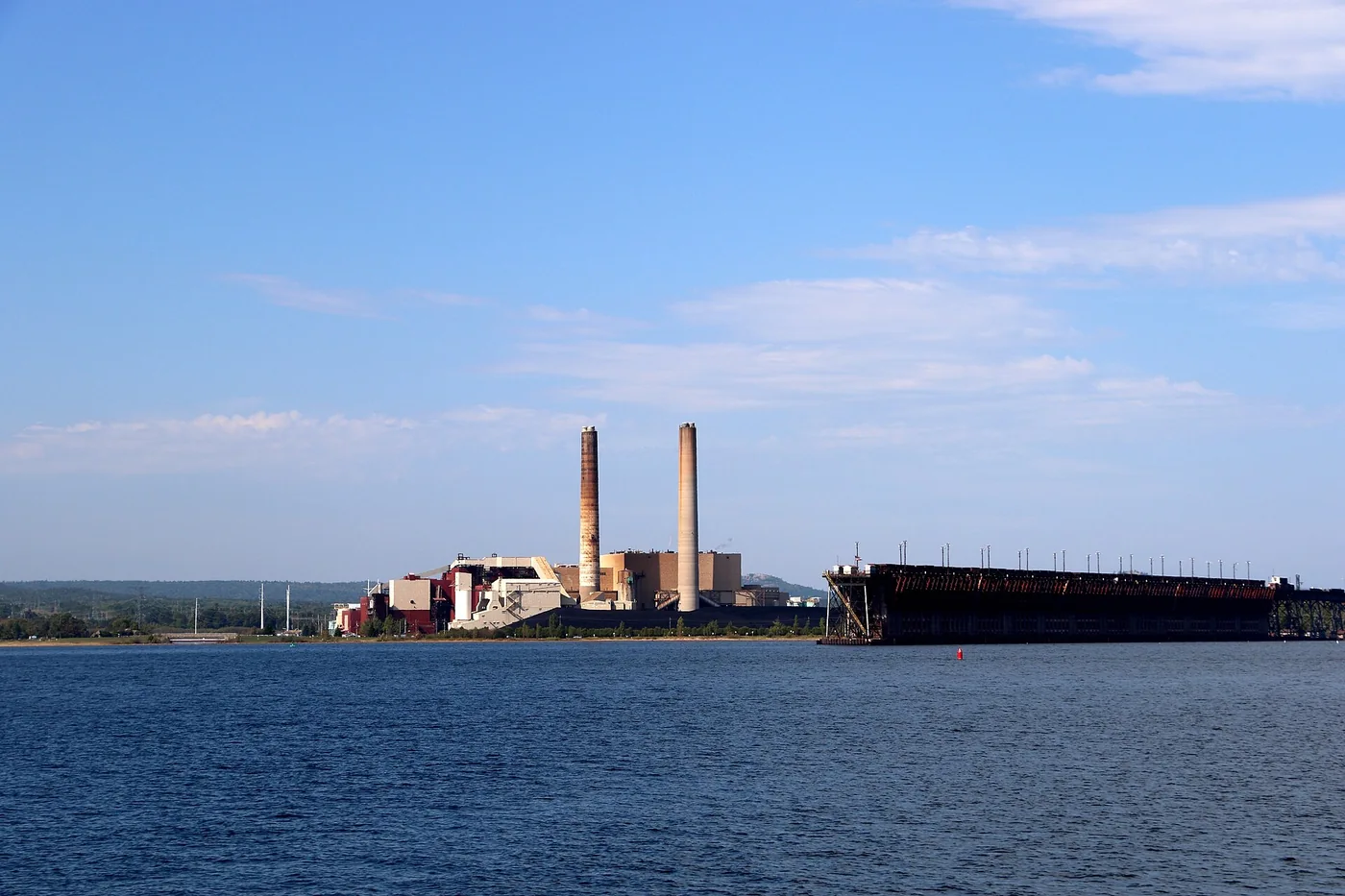
Evening update: the EPA confirms a signed partial repeal. The effective-date delay and the supplemental proposal are clarified.
Lee Zeldin signed a partial repeal of the 2024 federal greenhouse gas standards for power plants on Monday. The EPA’s official page confirms this decision, separate from a supplemental proposal targeting the remaining requirements. The announcement anticipated in our afternoon edition has therefore reached a formal stage. [1]
A signature, followed by an implementation period
The signed text sets an effective date 60 days after publication in the Federal Register. The version reviewed is explicitly identified as a prepublication document. The September 14 signature therefore does not mean that all the targeted obligations disappeared that same day. [2]
The 2024 standards included a requirement to control 90% of carbon emissions at certain coal plants intended to operate over the long term and certain new gas plants. This requirement relied on carbon capture and storage. The original document identifies what the administration is reversing. [7]
Two distinct measures
CNBC distinguishes the finalized repeal from the broader proposal concerning the agency’s powers under the Clean Air Act. That second part still requires finalization. Presenting it as a permanent ban on future administrations regulating the sector would be premature. [4]
The EPA defends its action in terms of reliable energy supplies and lower costs. Its fact sheet provides for a 45-day comment period after the proposal’s publication in the Federal Register. The claimed savings are projections; they are not yet measured reductions in household bills. [3]
Climate, health and industry decisions
The BBC reports objections from environmental organizations, which describe a setback for climate and health protection. It also specifies that safeguards against hazardous air pollutants remain in place. Repealing climate standards should therefore not be described as removing every protection against pollution. [5]
Grist examines the signal to electricity producers: removing a requirement may delay coal plant closures, but it does not eliminate aging equipment or competition from other energy sources. Emissions will also depend on those industry decisions. The next checks will cover official publication, the consultation and any court rulings. [6]
Perspectives compared
The report separates the finalized rule from the broader proposal. [4]
The agency promises lower costs and reliable supplies; those effects remain to be measured. [3]
The analysis connects regulation, energy competition and the timetable for retiring coal plants. [6]
About the media sources
Outlet-wide ratings from Ground News, checked September 14, 2026. They do not rate this article. Bias and factuality are separate criteria; a centre rating does not guarantee accuracy. Bias labels use Ground News’s U.S. political frame of reference.
| Outlet | Bias | Factuality |
|---|---|---|
| CNBC | Lean Left | High |
| BBC News | Center | High |
| Grist | Lean Left | High |
The Ground News story group and its right-leaning coverage filter were reviewed. The published perspectives describe observed differences rather than three predetermined camps. EPA documents present the agency’s position.
View the Ground News coverage ↗Sources and documents
- [1] Environmental Protection Agency ↗September 14, 2026 · updated official page
- [2] Environmental Protection Agency ↗September 14, 2026 · signed prepublication text, pages 1–2
- [3] Environmental Protection Agency ↗September 14, 2026 · fact sheet on final action and supplemental proposal
- [4] CNBC ↗September 14, 2026 · Spencer Kimball, 4:45 p.m. Eastern
- [5] BBC News ↗September 14, 2026 · report and reactions
- [6] Grist ↗September 14, 2026 · Jake Bittle, power sector analysis
- [7] Environmental Protection Agency ↗Background · April 25, 2024 announcement