Data-centre electricity cost bill stalls in the Senate
Passed by 417 votes to 3 in the House, the bill did not secure the unanimous consent requested to speed its passage.
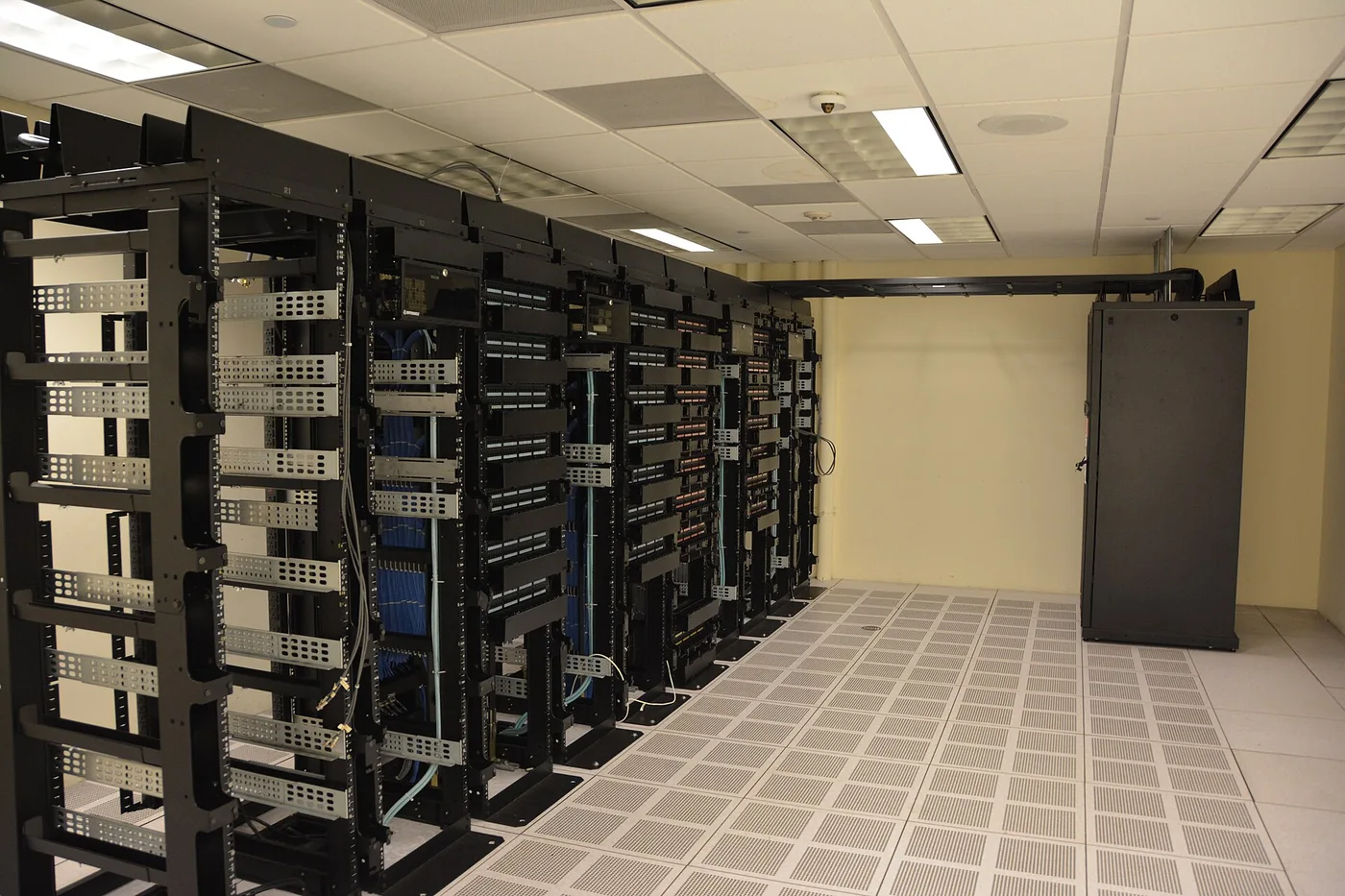
The Ratepayer Protection Act stalled in the Senate on September 17. Roll Call reports that Martin Heinrich refused Jon Husted’s unanimous-consent request, considering standards left to states’ discretion insufficient. [1]
Disagreement over how binding the rules should be
The House had passed the legislation, H.R. 9340, a day earlier by 417 votes to 3. The Energy and Commerce Committee explains that it would require state regulators to consider rules making large data centres cover the electricity costs they create. [2]
Heinrich advocated a more binding alternative, which Bernie Moreno opposed, Roll Call reports. The obstacle concerns expedited passage; it is not a final vote permanently rejecting the bill. [1]
Supporters defend states’ discretion. Their statement targets facilities drawing over 100 megawatts and presents the bill as balancing household protection with digital investment. [2]
What this means for consumers
Jimmy Patronis, who supports the bill, highlights grid costs and expenses a departing data centre could leave to other customers. That protection objective does not establish that lower bills have been secured. [3]
The effects will depend on the legislation adopted, regulators’ decisions and actual cost allocation. A congressional announcement does not automatically change every household’s rate. [3]
Perspectives compared
Roll Call explains the disagreement over voluntary standards. [1]
The committee advocates consideration of rules by states. [2]
Patronis emphasizes costs other customers might otherwise bear. [3]
Sources and documents
- [1] Roll Call — David Jordan ↗September 17, 2026
- [2] House Energy and Commerce Committee ↗September 16, 2026
- [3] Représentant / Representative Jimmy Patronis ↗September 17, 2026