The lead story / Canada · Energy and politics
Churchill Falls agreement clears legislature by 21 votes to 18
The result concludes four days of debate. Negotiating the definitive agreements remains a separate step.
Read the article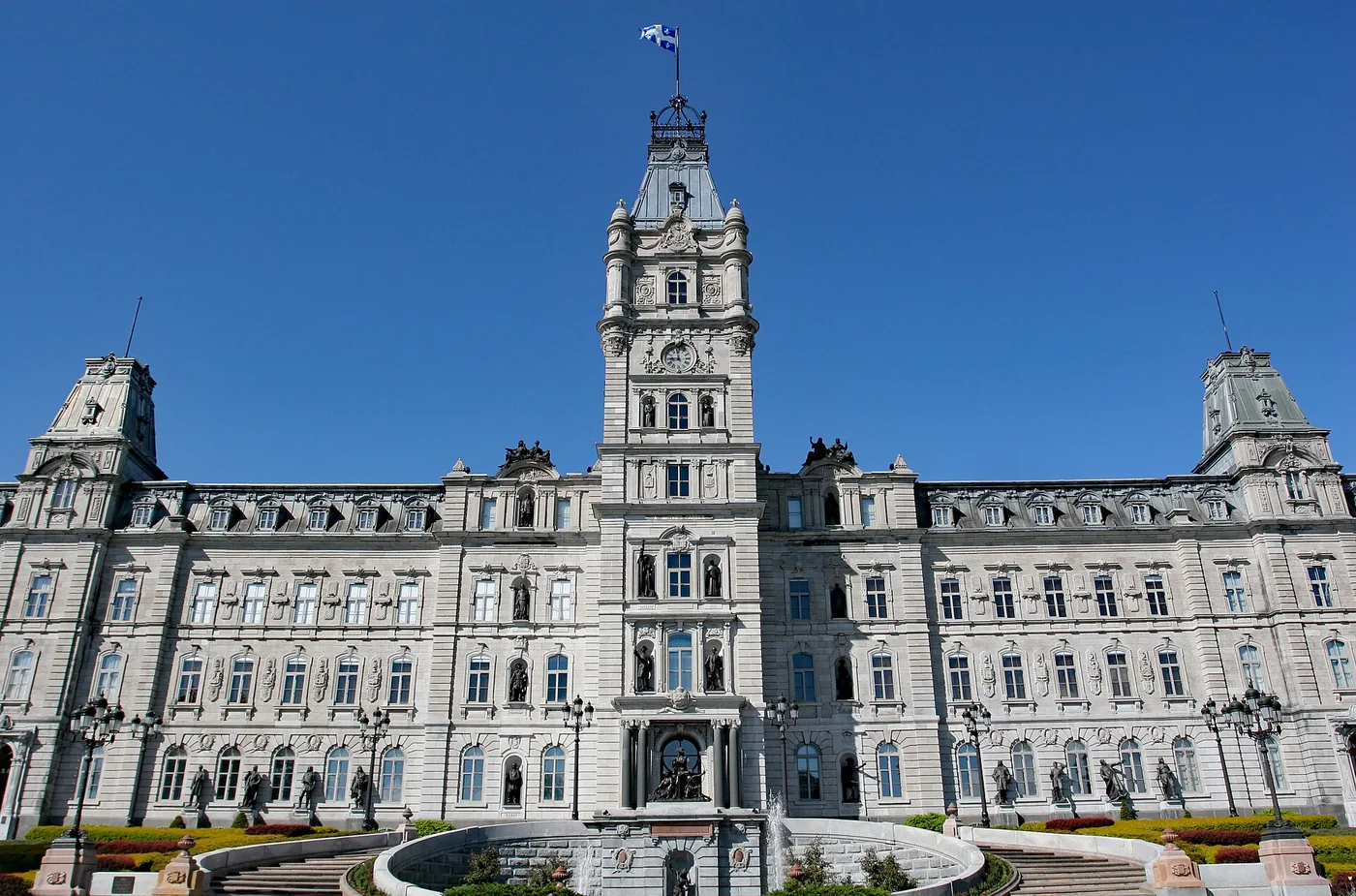
Understand the facts. Compare perspectives.
Updated at 6:11 PM ET · Quebec time
The result concludes four days of debate. Negotiating the definitive agreements remains a separate step.
Read the article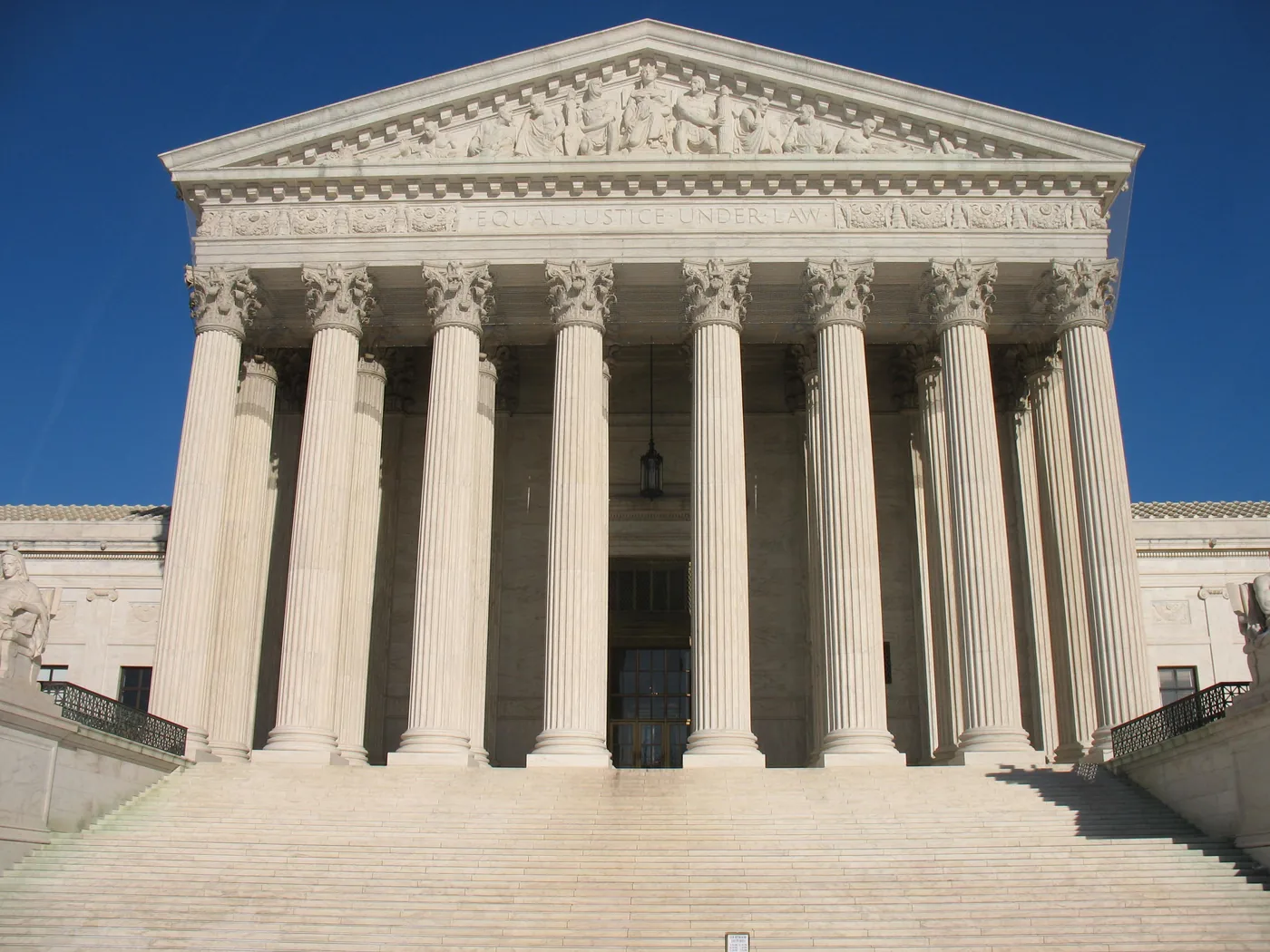

September 18 edition, updated in the evening: added the Supreme Court’s reasons on Terrebonne. Five Canadian and five U.S. top stories; two U.S. reports carried forward. The Bank of Canada report remains available in the archives.
The result concludes four days of debate. Negotiating the definitive agreements remains a separate step.
Read the article ↗September 18 update: result of the vote held September 17.
Legislative outcomeVOCM establishes the result and voting breakdown. [1]
Next negotiationsNTV distinguishes returning to the House from promising another vote. [2]
Review frameworkThe government describes the participants invited to the debate. [3]
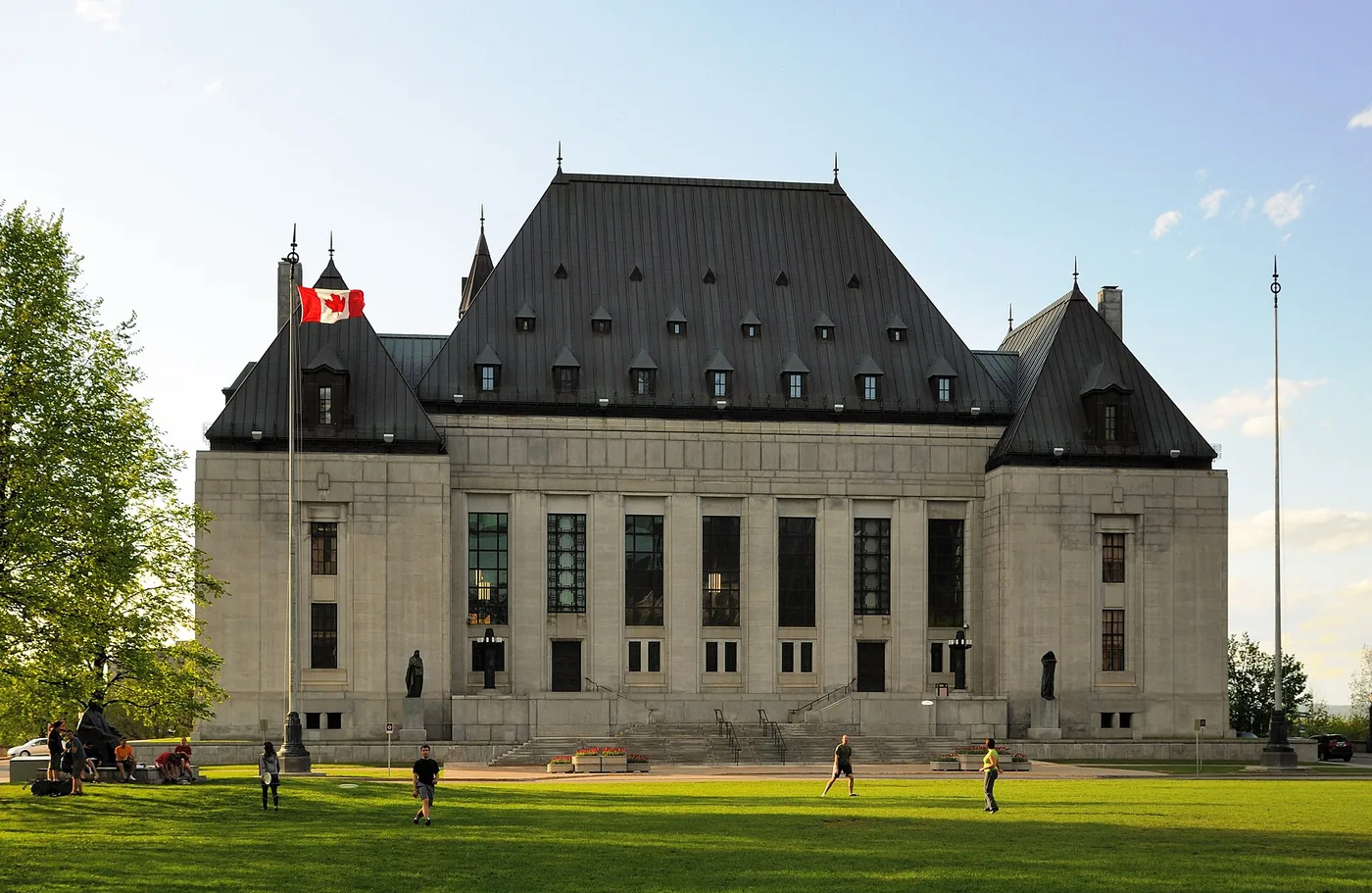
The reasons released Friday concern a decision delivered in February. Tatiana Auguste has since won the April byelection.
Read the article ↗Added on the evening of September 18: publication of reasons, with no new election annulled today.
Majority’s reasonsThe official summary connects the error with the narrow result. [1]
Election chronologyThe Canadian Press recalls the earlier annulment and byelection. [2]
Agency responseElections Canada announces a review before specifying next steps. [3]
The temporary order concerns the upcoming mailing. It does not require all previously distributed documents to be sent again.
Read the article ↗New report in the September 18 edition; ruling issued September 16.
Immediate scopeCityNews identifies the mailing affected and the order’s duration. [1]
Documents already sentThe Equity distinguishes reminder cards from other documents. [2]
Community responseTALQ advocates information access for English-speaking voters. [3]
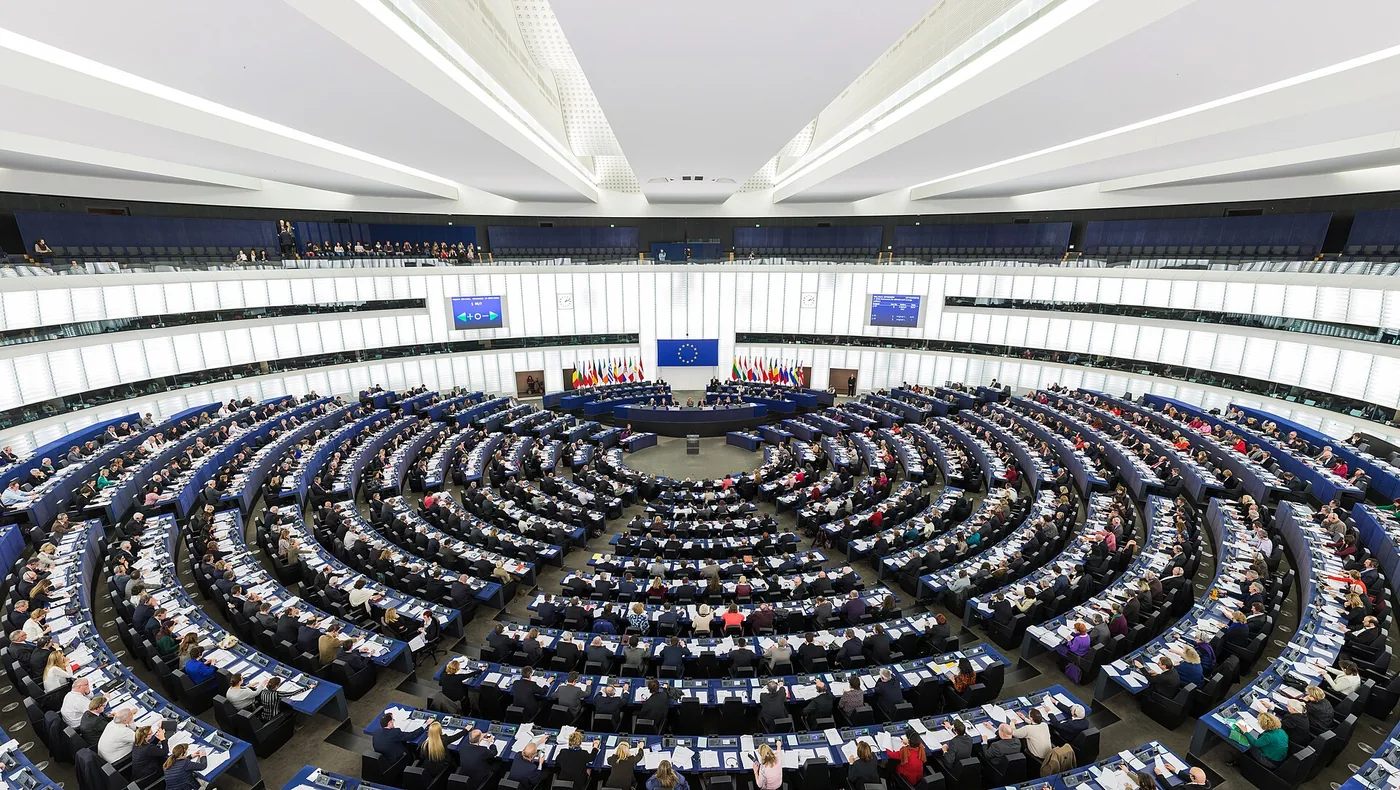
Ottawa announces meetings in New York. The closer European relationship remains a project with terms still to be defined.
Read the article ↗September 18 update: added the UN visit announced September 17. The trip has not yet taken place.
Next diplomatic stepOttawa announces the dates of the New York visit. [5]
Canadian objectivesOttawa describes the areas in which it seeks closer ties. [2]
Institutional statusEuronews highlights an arrangement whose terms remain open. [4]
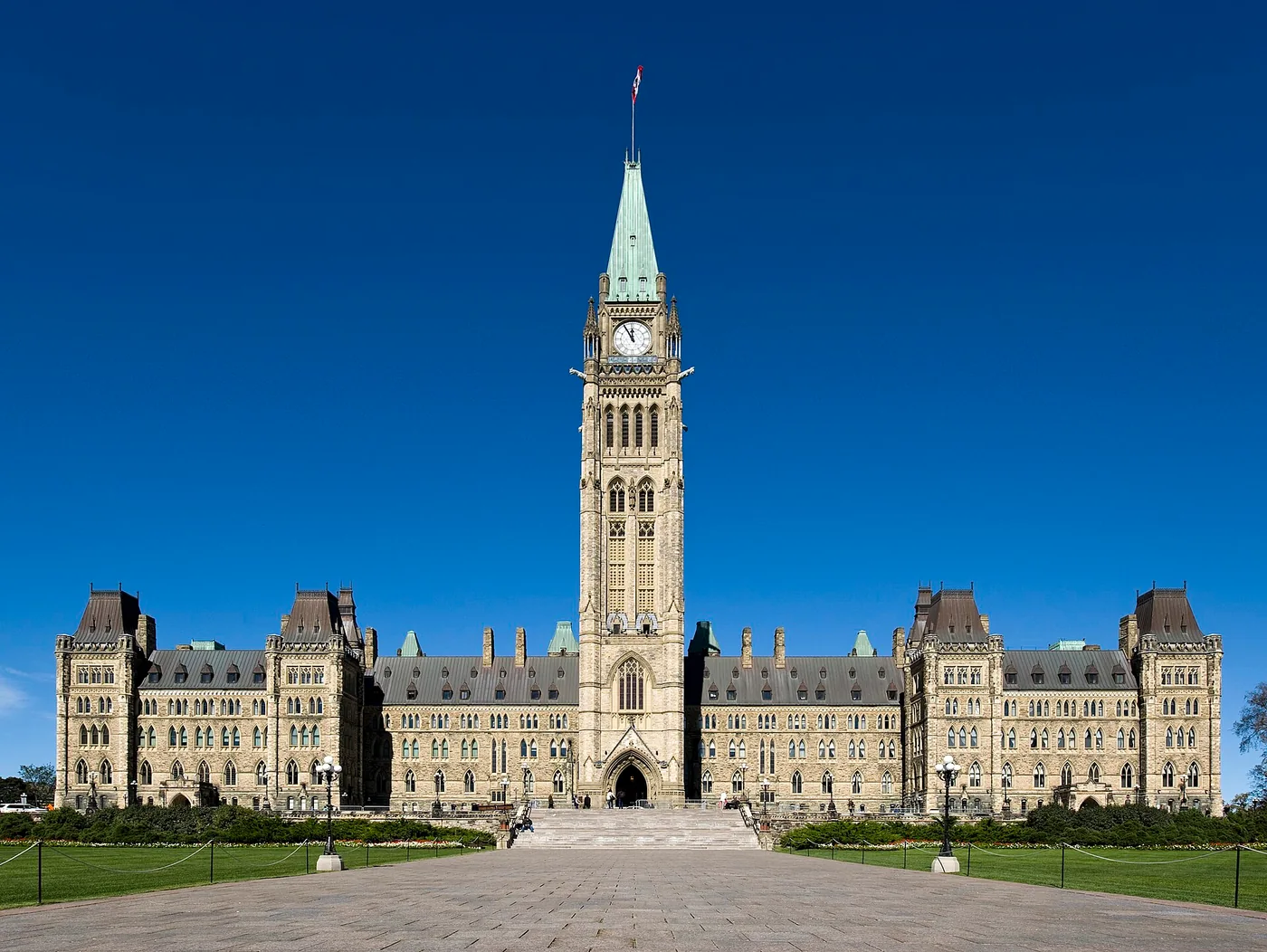
Thirteen projects receive support, from accessible vehicles to Pemberton’s transit hub. The commitments remain conditional.
Read the article ↗The restrictions remain blocked after the Supreme Court denied emergency relief. Litigation continues.
Read the article ↗September 18 update; USPS announcement on September 17.
Immediate effectThe order denies the requested stay. [1]
Election timetableRoll Call highlights election officials’ implementation constraints. [2]
Competing argumentsFox News details the disputed requirements and the dissent. [3]
Passed by 417 votes to 3 in the House, the bill did not secure the unanimous consent requested to speed its passage.
Read the article ↗Senate objectionRoll Call explains the disagreement over voluntary standards. [1]
House versionThe committee advocates consideration of rules by states. [2]
Supporters’ argumentPatronis emphasizes costs other customers might otherwise bear. [3]
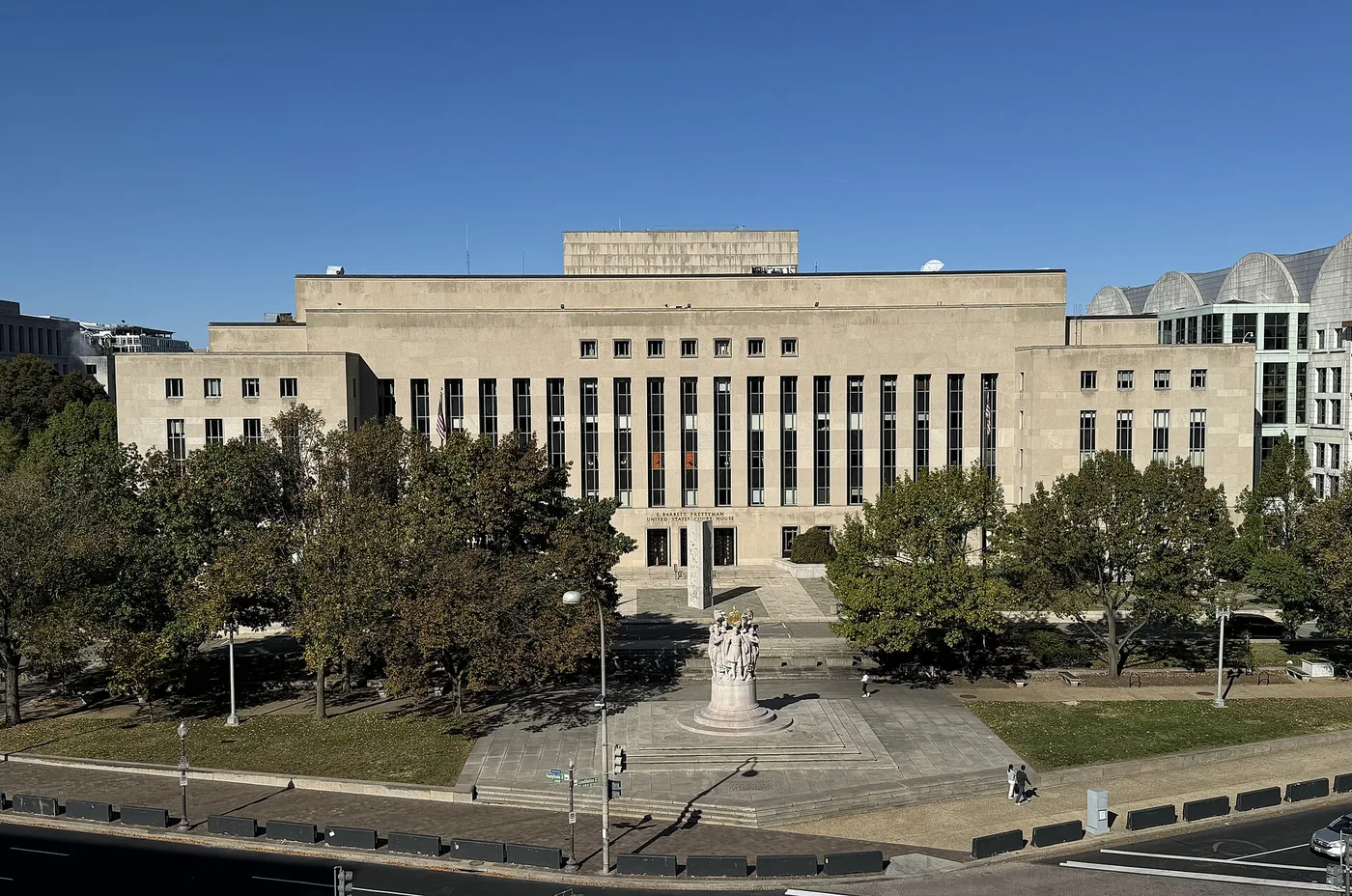
The order governs changes to the project. It does not by itself resolve the entire dispute over the centre’s closure.
Read the article ↗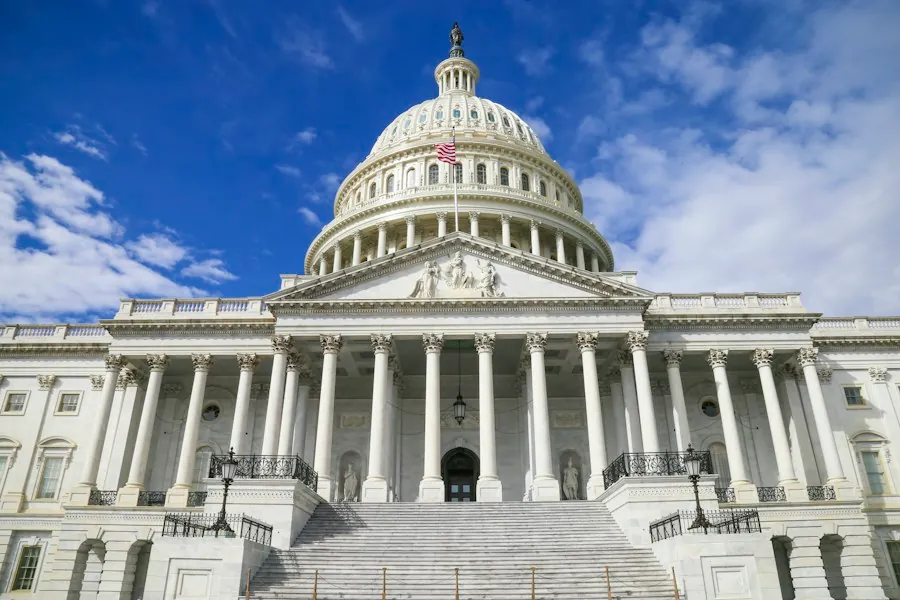
The U.S. bill has cleared Congress. Thursday’s Russian and Chinese veto at the UN concerns a different proceeding: monitoring sanctions against Iran.
Read the article ↗Carried forward September 18 after the September 17 evening update on the UN vote. The U.S. and UN proceedings are distinct.
Vote outcomeRoll Call establishes House passage. [1]
Supporters’ argumentSmith defends sanctions and tariff powers. [2]
Objection to expanded powersMcClellan distinguishes support for sanctions from opposition to the bill. [3]

The target range rises to 3.75–4%. The president’s demand does not change the official decision.
Read the article ↗Carried forward September 18: the Fed decision was announced September 16 and took effect September 17. This is not another increase today.
Official decisionThe Fed bases the increase on persistent inflation. [1]
ImplementationThe note distinguishes the target range from operating instruments. [2]
Presidential reactionAxios reports Trump’s call for lower rates. [4]
No articles match your search.