Trump signs Russia and Iran sanctions legislation into law
The September 18 signature completes the presidential stage. Implementation requires separate scrutiny.
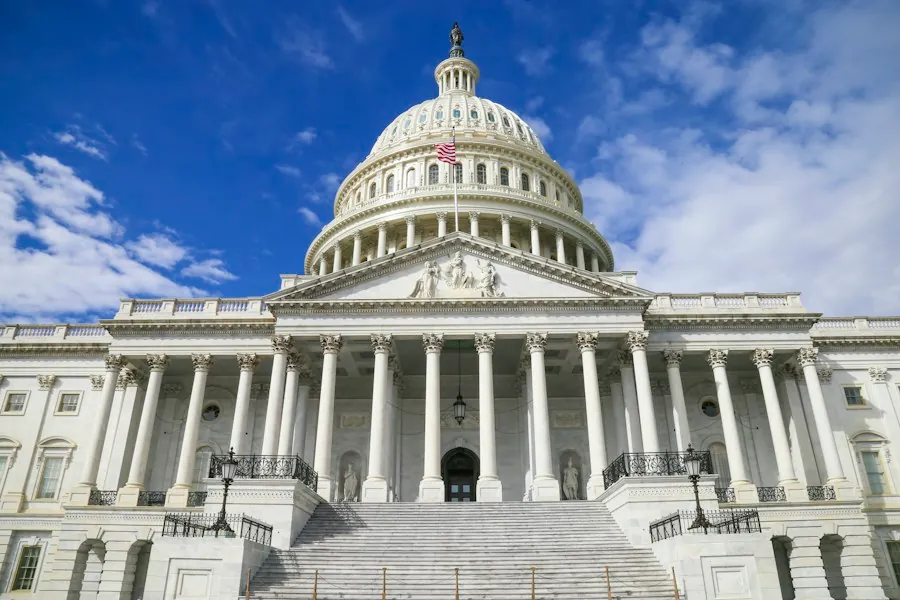
September 19 update: presidential signature confirmed September 18. The UN veto described below remains a separate proceeding.
Donald Trump signed H.R. 5334 on September 18, the White House confirms. The law authorizes and expands sanctions, tariffs and prohibitions concerning Russia, and extends sanctions on Iran. Enactment is now confirmed. [8]
From enactment to implementation
Reuters confirms the signature and identifies Russia’s energy and defence sectors, along with vessels evading sanctions, as targets. Congressional passage preceded the signature; measures actually implemented will require scrutiny of subsequent enforcement decisions. [9]
Ways and Means Committee Chairman Jason Smith describes an arrangement combining financial sanctions and tariff powers. His statement identifies Russian officials and financial institutions, as well as maritime networks used to evade restrictions. He promotes tariffs as a means of reducing economic support for the war. [2]
The vote is about more than supporting or rejecting sanctions
Jennifer McClellan sets out a different objection: she says she supports sanctions against Russia but opposes the expansion of presidential tariff authority in this bill. She cites economic uncertainty and possible consequences for consumers. [3]
A negative vote therefore does not necessarily signal support for Moscow. Smith’s and McClellan’s statements show disagreement over instruments and oversight, even where the objective of pressuring Russia is shared. [3]
The signature alone cannot measure the economic pressure achieved or a change in Moscow’s position. Supporters’ stated objectives must be distinguished from observable effects. [9]
At the UN, a veto on monitoring Iran sanctions
The Russian and Chinese vetoes blocked Washington’s proposed renewal of the UN Iran experts’ mandate on Thursday: eleven votes in favour, two abstentions (Pakistan and Somalia), AP reports. [5]
In her explanation of vote, British Ambassador Sarah MacIntosh expresses regret over the veto. She recalls the experts’ role: helping the sanctions committee monitor implementation and providing independent advice. She says the sanctions remain in force despite the veto. [6]
bne IntelliNews reports that Moscow challenges the legitimacy of the committee and expert panel, rejecting the validity of the sanctions’ reinstatement in 2025. That position explains Russia’s objection; it is distinct from the interpretation defended by London. [7]
The New York vote therefore concerns a UN monitoring mechanism. It does not reverse the U.S. congressional vote and, according to the British explanation, does not lift sanctions. Treating these proceedings as one would obscure their different authorities and purposes. [6]
Perspectives compared
The White House confirms the September 18 signature. [8]
Smith defends sanctions and tariff powers. [2]
McClellan distinguishes support for sanctions from opposition to the bill. [3]
Sources and documents
- [1] Roll Call — John M. Donnelly ↗September 16, 2026
- [2] House Ways and Means Committee — Jason Smith ↗September 16, 2026
- [3] Représentante / Representative Jennifer McClellan ↗September 16, 2026
- [4] Représentant / Representative Brian Fitzpatrick ↗September 16, 2026
- [5] Associated Press ↗September 17, 2026
- [6] Gouvernement britannique — explication de vote / UK government — explanation of vote ↗September 17, 2026
- [7] bne IntelliNews ↗September 17, 2026
- [8] Maison-Blanche / White House ↗September 18, 2026
- [9] Reuters ↗September 18, 2026